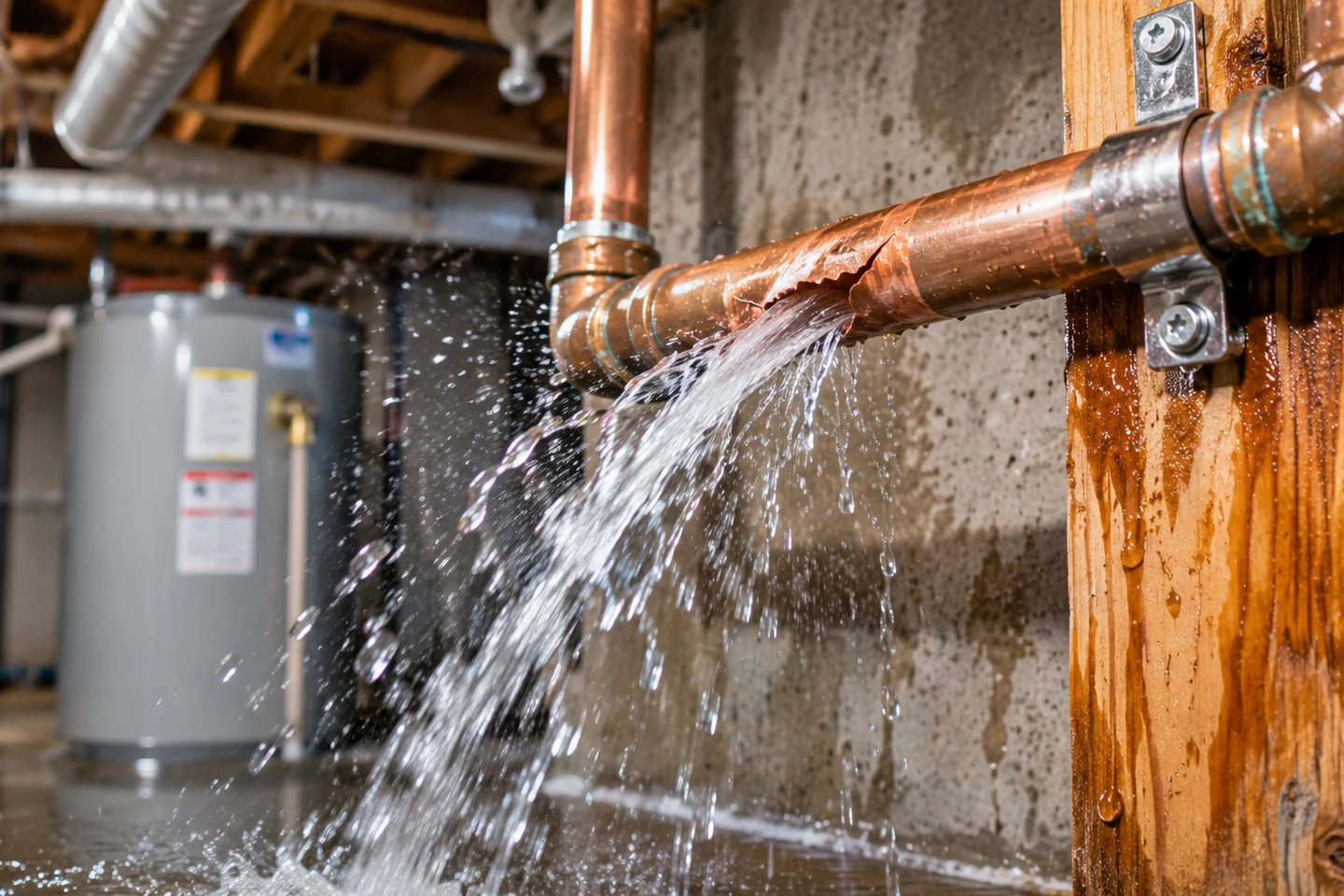
What to Do When a Pipe Bursts in Your Home
A burst pipe can release a surprising amount of water in a short time. The first priorities are personal safety, stopping the water whe…
Read article →Need help with an urgent plumbing problem? Call to discuss emergency plumbing, drain, water heater and leak concerns in selected Placer County communities. Phone answering is available 24 hours a day.
Calls are answered 24/7. Technician dispatch, arrival times and service availability are confirmed during the call.
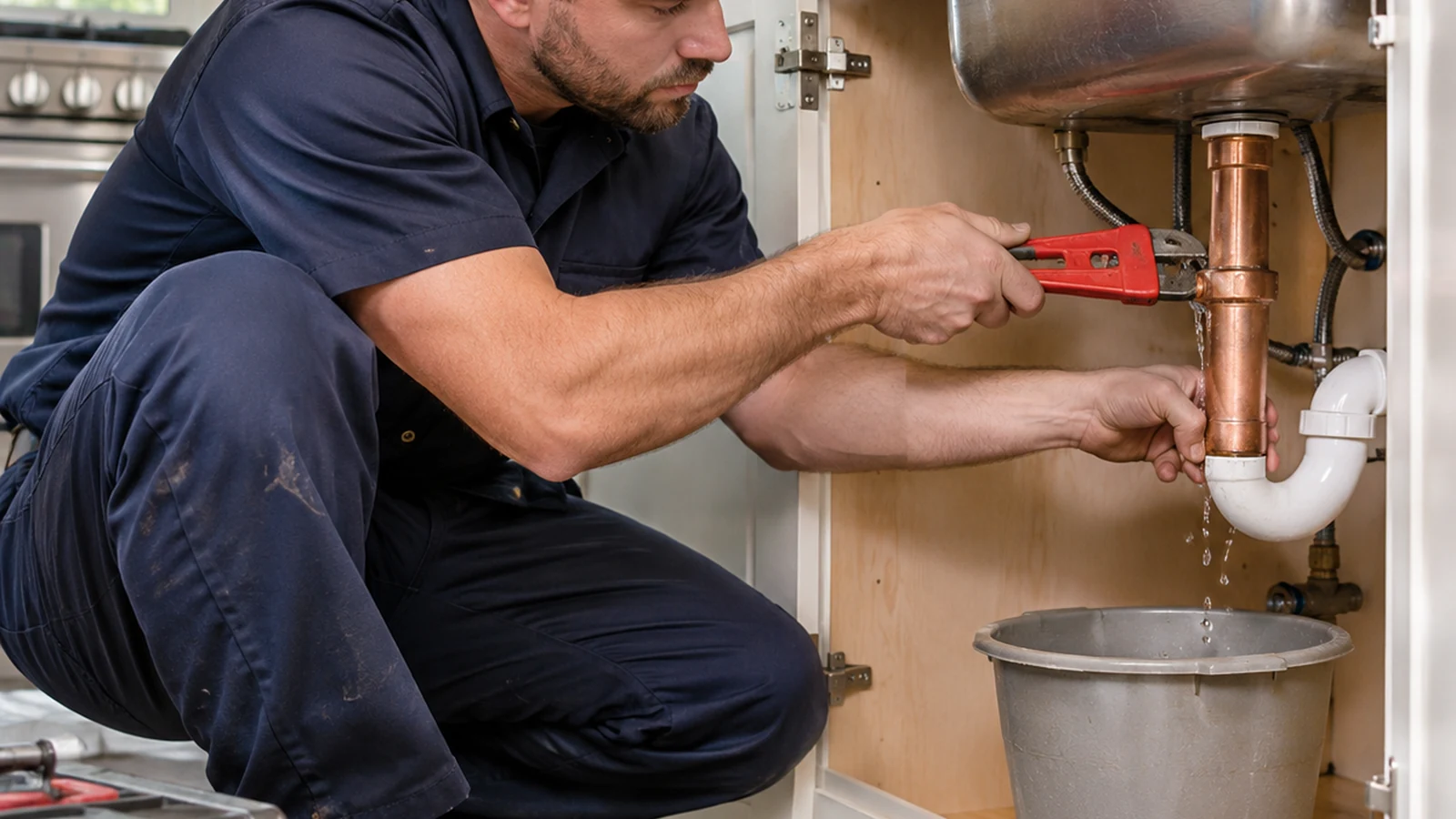
Explore the four main service categories. Each page explains common symptoms, safe first steps and what information to share when calling.
When a plumbing problem cannot wait, start by protecting people and limiting damage. An active leak, overflowing fixture, sudden loss of water or…
Explore service →Slow drains and recurring blockages can indicate buildup, an obstruction or a problem farther along the drain system. A single slow fixture may h…
Explore service →A water heater problem can appear as no hot water, inconsistent temperature, unusual noise, visible leakage or water that takes longer than usual…
Explore service →A burst pipe or active water leak can damage flooring, drywall, cabinets and personal belongings. If it is safe and you know how, close the neare…
Explore service →If water is near electrical equipment, keep clear. If it is safe and you know how, use the nearest shutoff or main water valve to stop active flow. Avoid attempting repairs on pressurized pipes, gas equipment or electrical components.
Coverage includes the following ten communities. Confirm that a crew can serve your exact address and the current dispatch window when you call.
Practical information for common plumbing problems, with direct links to relevant service categories.
A burst pipe can release a surprising amount of water in a short time. The first priorities are personal safety, stopping the water whe…
Read article →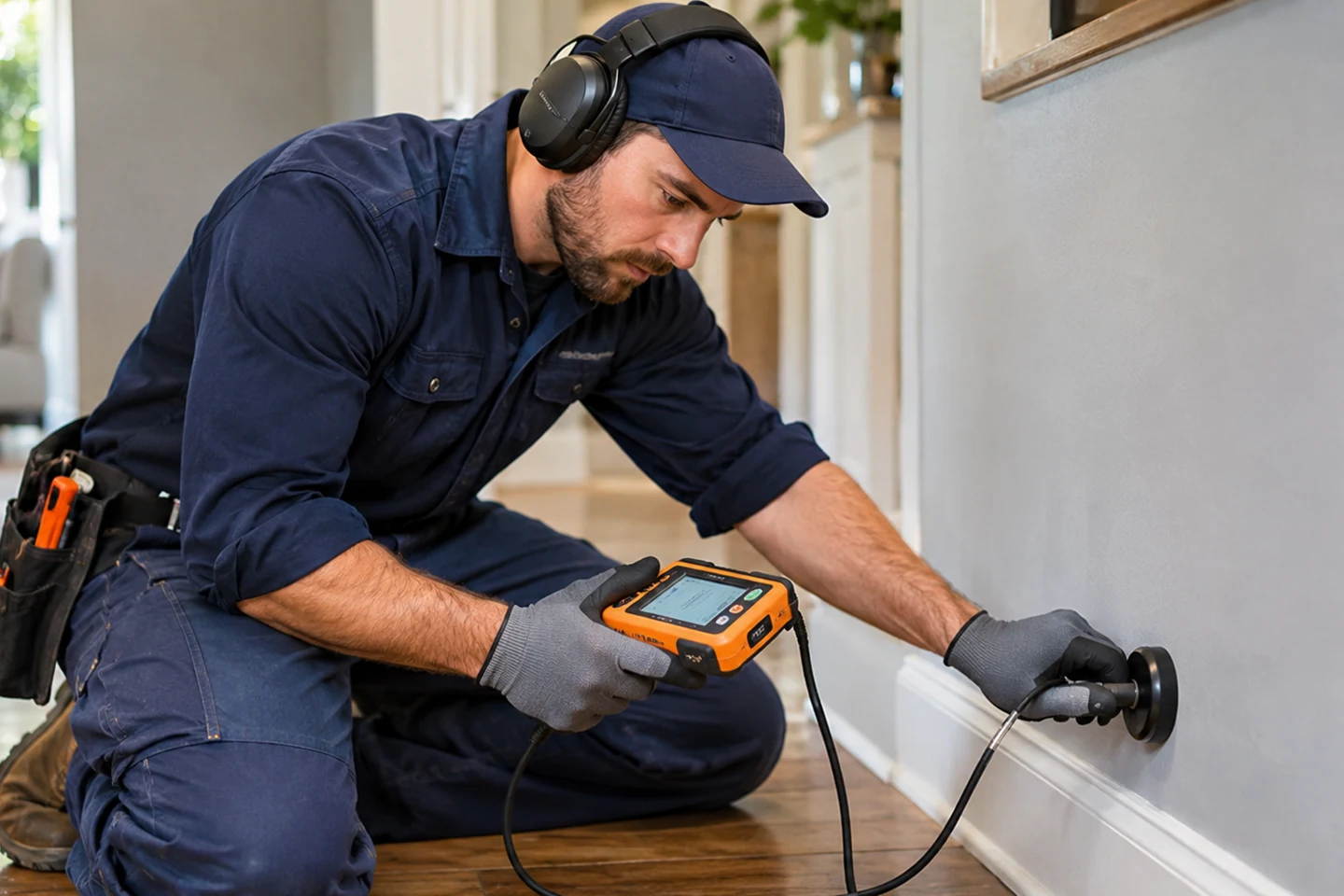
Some plumbing problems can wait for a scheduled appointment, while others can quickly damage a home or create a safety concern. Recogni…
Read article →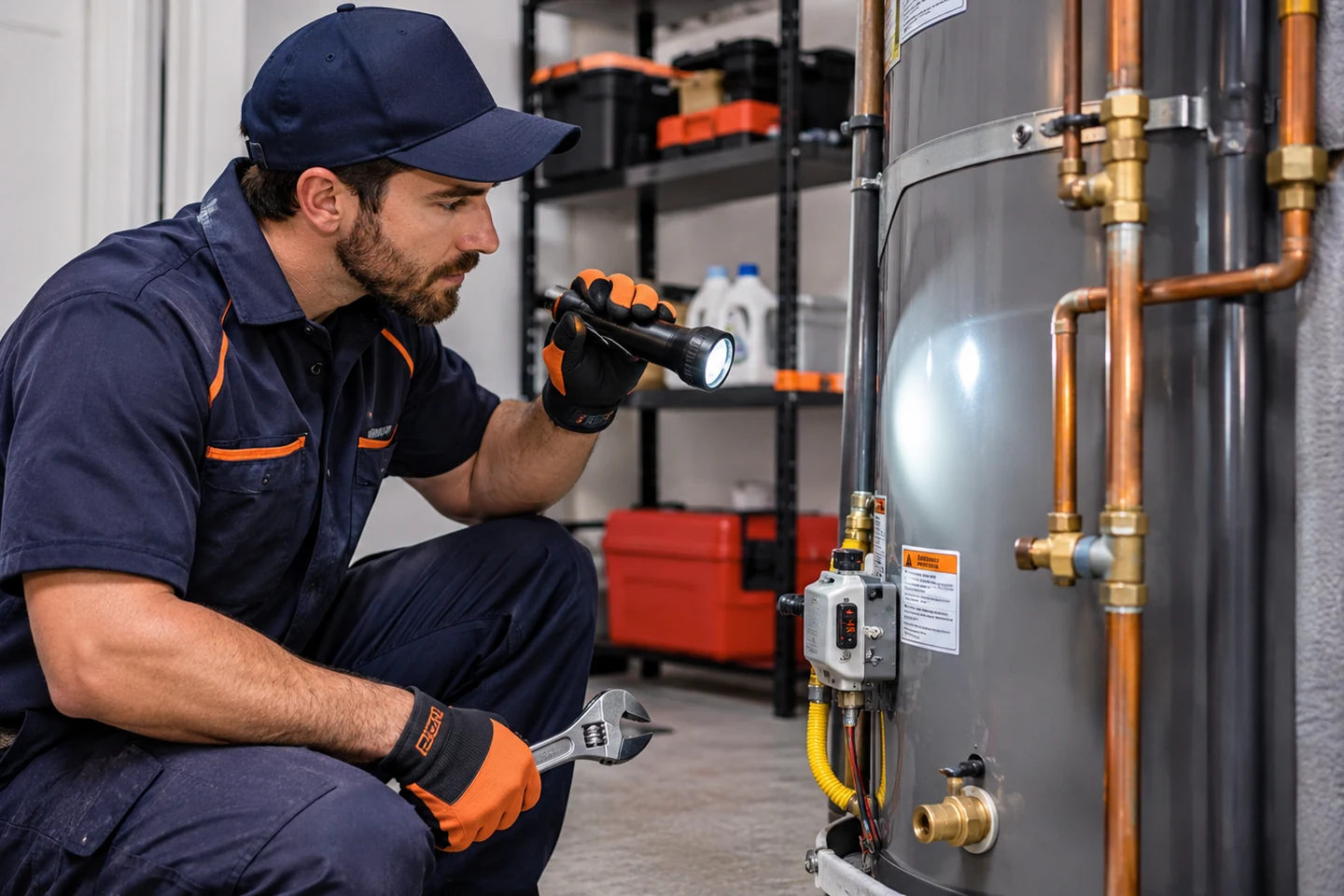
A kitchen sink that drains slowly is often affected by grease, food residue, soap deposits or an obstruction in the trap or drain line.…
Read article →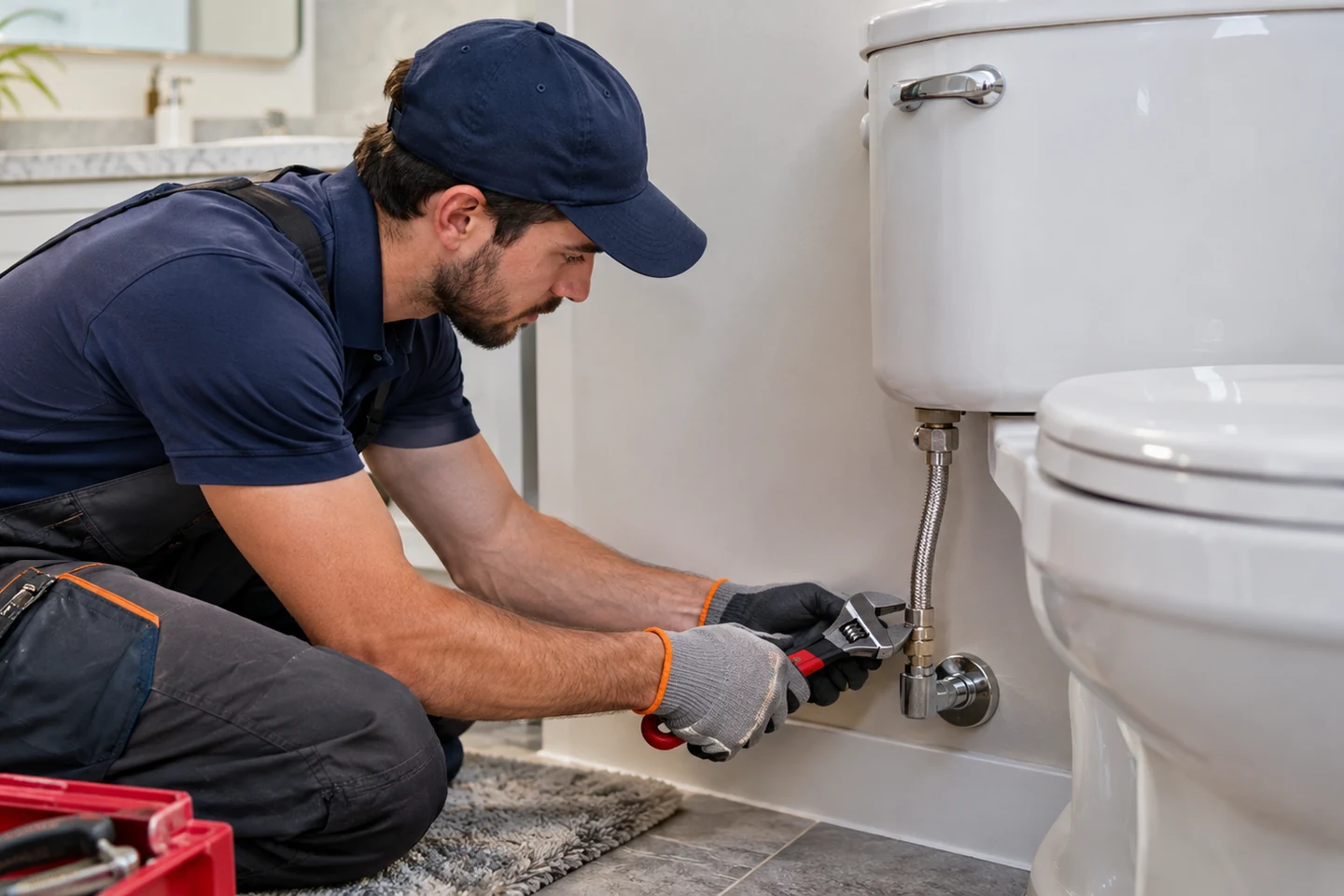
A sewer backup is disruptive and can expose a home to contaminated wastewater. Understanding common warning signs and safe first steps …
Read article →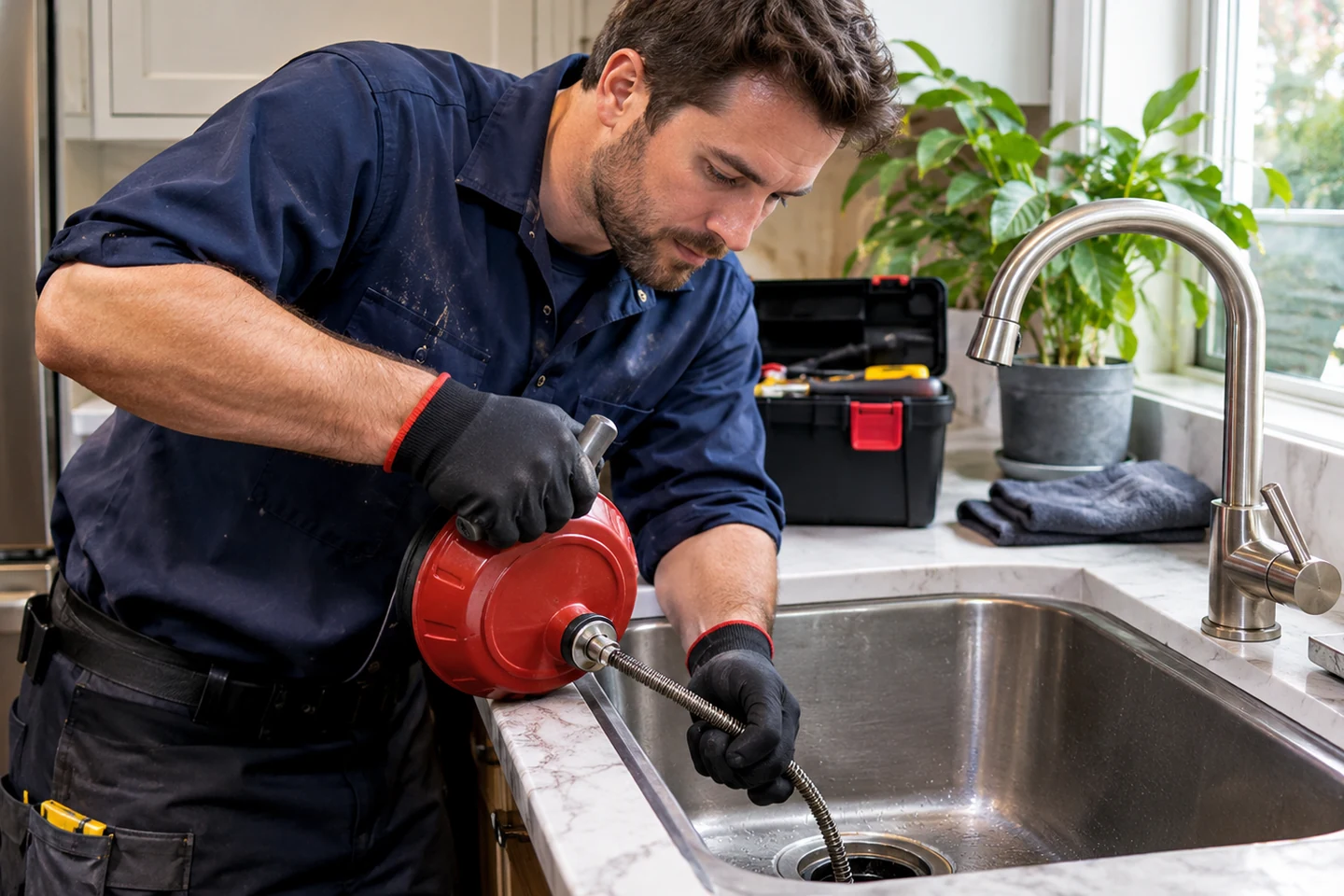
When hot water suddenly disappears, the cause may be related to the power or fuel supply, a control, a heating component or a leak. Thi…
Read article →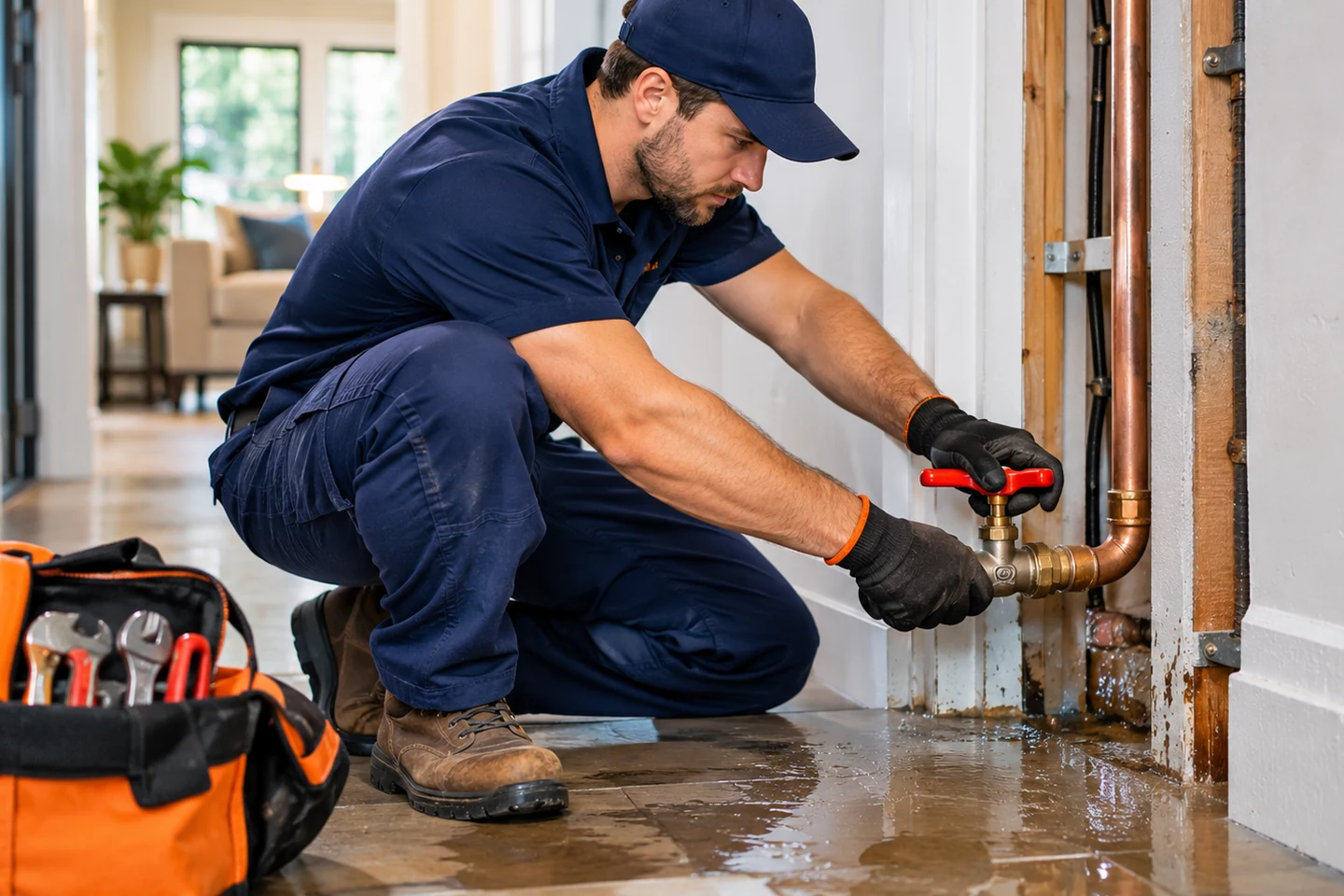
Water around a water heater should never be ignored. It may come from a connection, valve, drain, nearby plumbing or the tank itself. T…
Read article →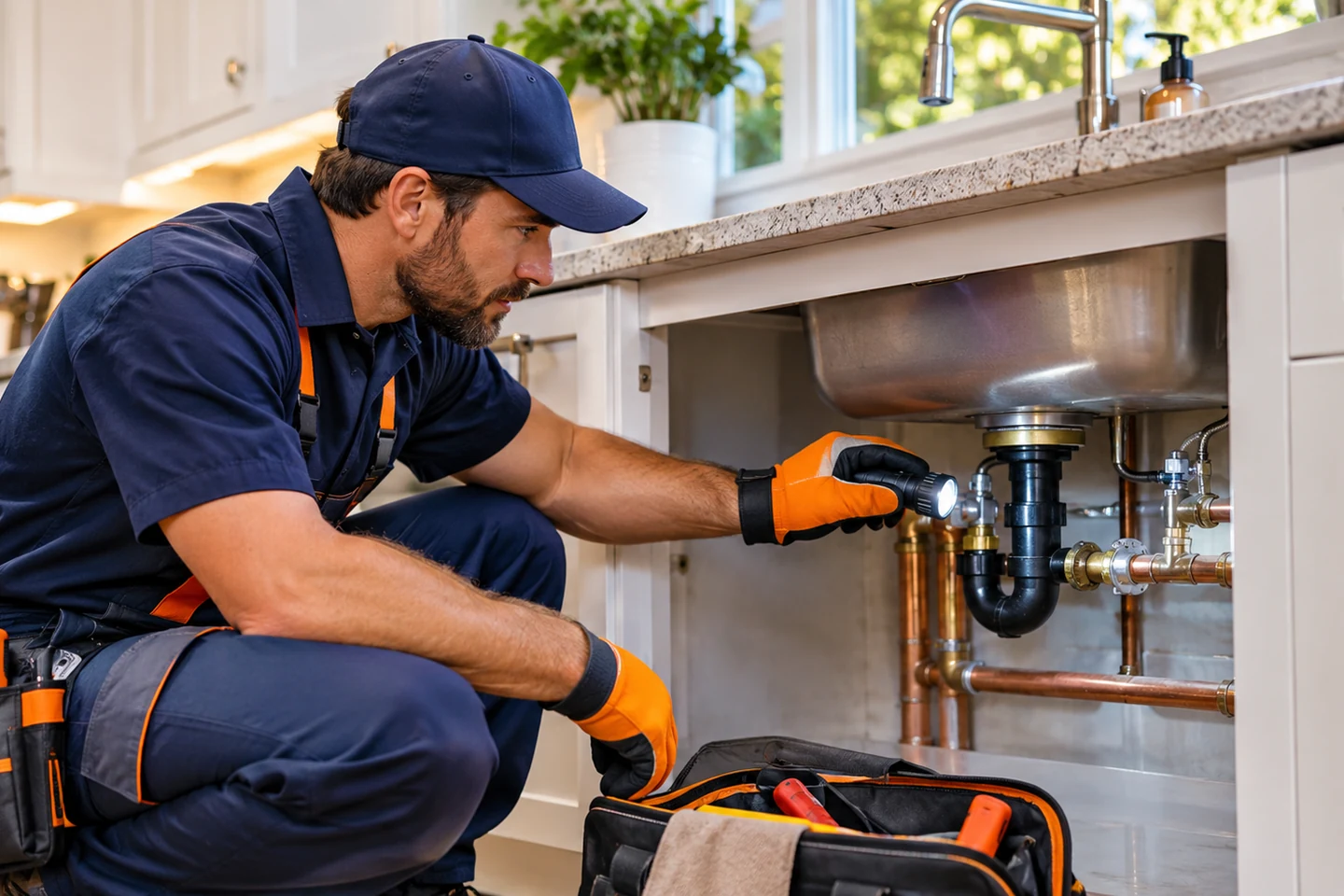
A hidden leak may show up as a damp patch, unexplained water use, peeling paint, musty odor or a change in water pressure. Finding the …
Read article →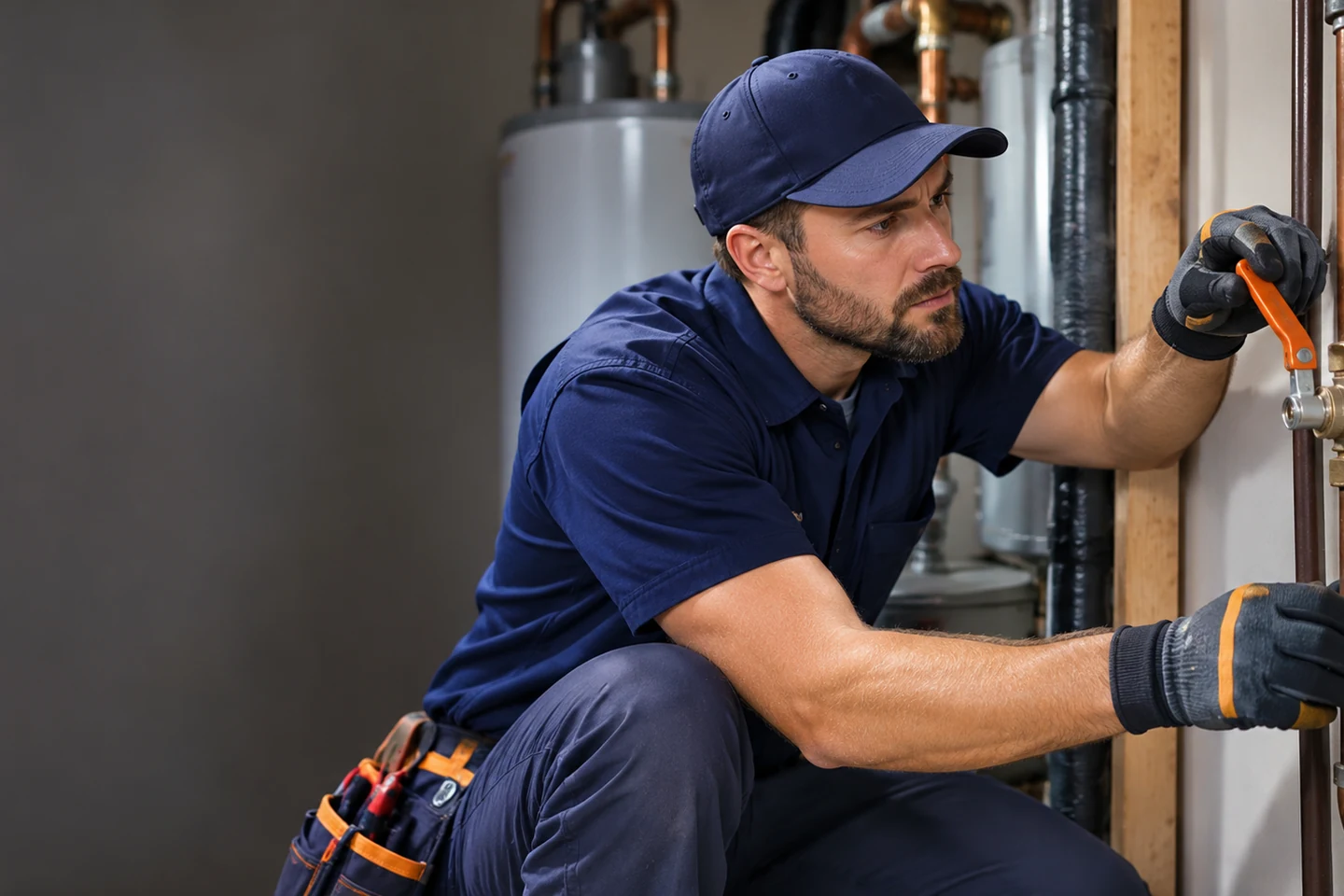
An overflowing toilet can spread contaminated water quickly. Knowing how to stop the flow, protect the area and avoid unsafe cleanup he…
Read article →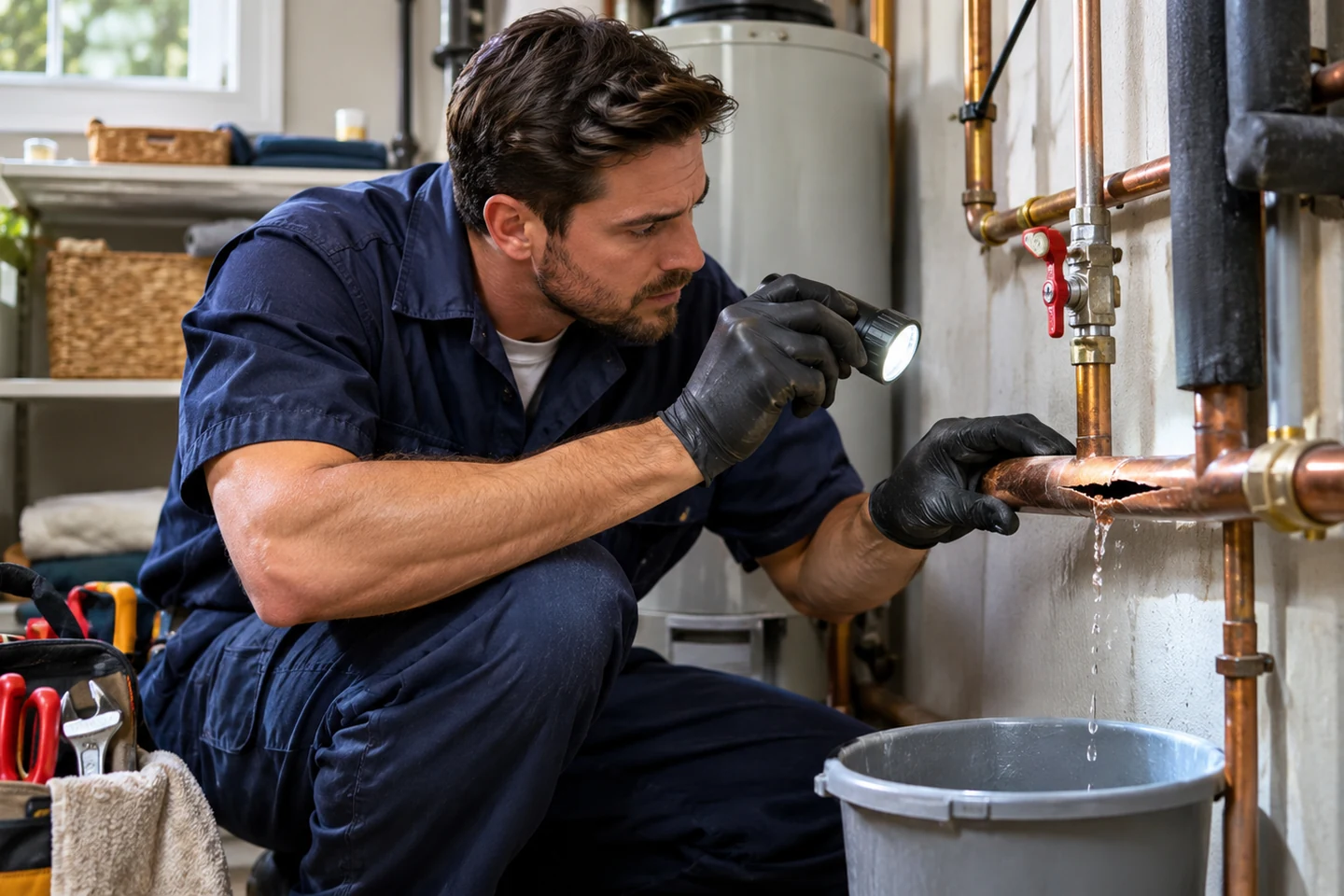
Drain cleaning methods are not interchangeable. The right approach depends on the location, material and nature of the obstruction, as …
Read article →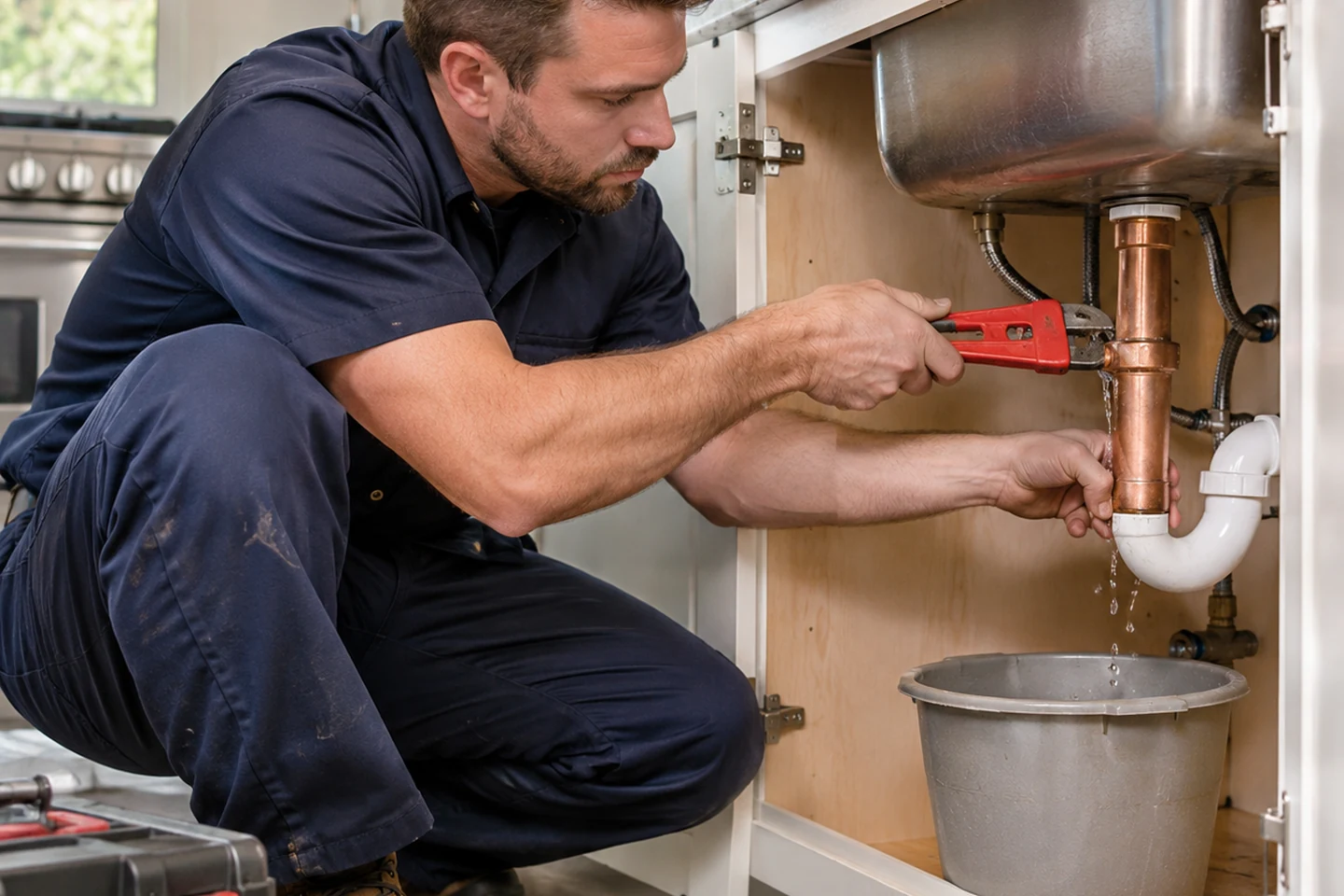
Some plumbing symptoms indicate an immediate risk to the home, while others need timely attention before they become more disruptive. T…
Read article →Call to explain the plumbing problem and confirm service options for your location.
An uncontrolled leak, burst pipe, sewage backup, overflowing fixture, or water near electrical equipment may need urgent attention. If anyone is in immediate danger, move to safety and contact emergency services.
If the shutoff valve is accessible and safe to operate, closing the nearest fixture valve or the main water valve can limit damage. Do not enter a wet area with possible electrical hazards or force a stuck valve.
A single slow drain may be a local blockage. Multiple fixtures backing up, sewage odors, or wastewater coming up through a drain are more urgent. Stop using affected fixtures and keep people away from wastewater.
Keep clear of hot water and electrical hazards. If safe and you know how, shut off the water supply to the heater. If you smell gas, leave the area and contact the gas utility or emergency services from a safe location.
Yes. Water can damage flooring, drywall, cabinets and belongings, and hidden moisture can persist after the visible leak stops. Address the source and document damage after the area is safe.
Signs can include sudden water flow, a drop in water pressure, wet walls or ceilings, pooling water, or an unexpected sound behind a wall. These symptoms do not prove the exact cause; an inspection is needed.
Avoid using affected fixtures until the cause is understood. Keep children and pets away from wastewater and avoid direct contact. Contaminated materials may require specialist cleanup.
Possible causes include an energy supply issue, control fault, failed heating component or leak. Do not open gas or electrical equipment. A qualified professional should diagnose the heater.
Phone answering is available 24 hours a day, including weekends and holidays. Technician dispatch, exact service availability and arrival estimates must be confirmed during the call.
Response time depends on the provider, current call volume, location, traffic and the nature of the problem. Ask the provider for a current estimate when you call; this website does not guarantee arrival times.