Water Heater Leaking: Causes and What to Do
Water around a water heater should never be ignored. It may come from a connection, valve, drain, nearby plumbing or the tank itself. The location and amount of water can help a qualified professional narrow down the issue.
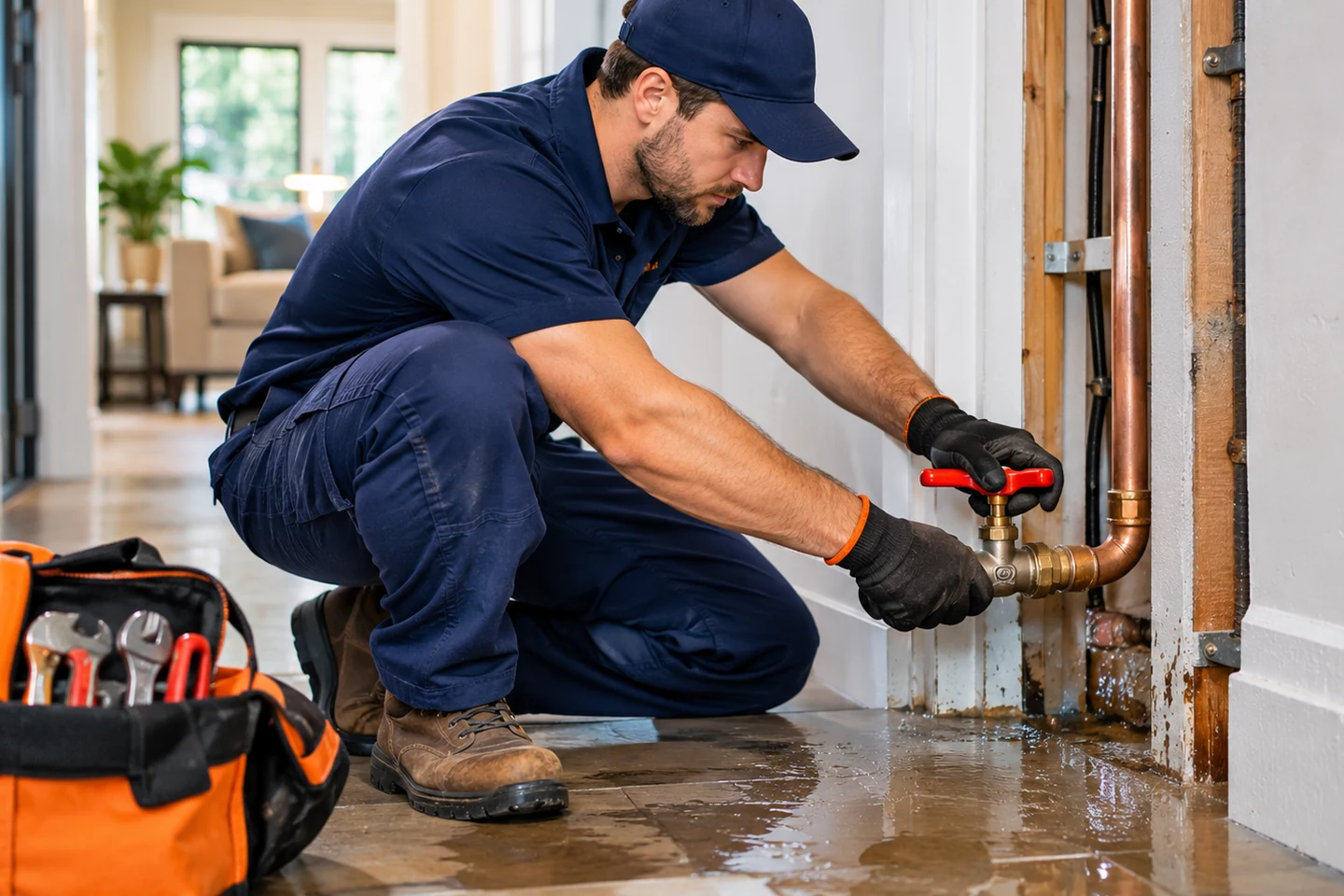
Plumbing systems are different from one property to another. The age of the home, pipe material, fixture design, maintenance history and location of the problem can all affect the right next step. The guidance below is general homeowner information, not a diagnosis of a particular plumbing system.
Check where the water is appearing
Water near the base of a heater may have travelled from a nearby pipe or fitting. Look only from a safe position and do not touch hot surfaces, electrical components or leaking connections. The apparent location is a clue, not proof of the source.
Connections, valves and drain fittings
A loose or deteriorated connection, temperature-and-pressure relief discharge, drain valve or nearby pipe may be responsible. Do not cap or block a relief discharge pipe. Safety devices must remain able to operate as designed.
Tank corrosion or internal failure
A leak from the tank body can indicate a serious problem. Corrosion and age may affect tank integrity, and a tank leak is not generally solved by tightening an external fitting. A professional inspection can determine the appropriate next step.
What to do while waiting
Keep people away from hot water and wet electrical areas. If safe and you know how, shut off the water supply to the heater. Follow the manufacturer's instructions for shutting down the energy source, or wait for qualified assistance if uncertain.
Document the symptoms
Record when the leak started, whether it is continuous, where water appears and whether hot water is still available. Photos taken from a safe position can help explain the situation. Avoid moving or draining the unit unless instructed by a qualified professional.
Placer County homeowner considerations
Placer County includes incorporated cities and towns as well as unincorporated communities. Housing styles and property layouts vary across Roseville, Rocklin, Lincoln, Auburn, Loomis, Granite Bay, Newcastle, Penryn, North Auburn and Meadow Vista. A plumbing symptom should be assessed at the property rather than assuming every neighborhood has the same pipe materials or infrastructure.
When you call about a plumbing issue, be ready to share the community, a nearby cross street, the affected fixture or room, when the symptom began and whether it is getting worse. If water is actively escaping, explain whether the nearest shutoff or main valve has been operated safely. Clear details can help the call handler understand the situation, although the actual cause must be confirmed by a qualified professional.
What not to do
Do not touch wet electrical equipment, enter standing water where electrical hazards may exist, work on gas equipment or open pressurized plumbing lines. Avoid mixing drain chemicals or repeatedly applying products without understanding the blockage. Do not cover water-damaged materials before the moisture source is addressed. If there is immediate danger, leave the area and contact emergency services or the appropriate utility.
Frequently asked questions
Should I try to repair the problem myself?
Only perform simple actions that are safe and within your ability, such as turning off an accessible fixture valve. Leave pressurized plumbing, gas, electrical and concealed repairs to qualified professionals.
Can I call outside normal business hours?
Phone answering is available 24/7, including weekends and holidays. Dispatch and technician availability must be confirmed during the call.
Does this website provide the plumbing work?
No. This is an independent call-connection website. Ask the provider who will perform the work and verify applicable qualifications and service terms.
What information should I have ready when I call?
Share your community, nearest cross street, the affected fixture or room, when the issue began, whether water is still flowing and any safe shutoff steps already taken.
How quickly can a plumber respond?
Response time varies with provider availability, location, traffic and current demand. Ask for the current estimated arrival window directly.
What are common signs of a hidden water leak?
Damp patches, musty odors, unexplained water use, peeling paint, warped flooring or unusual water sounds may be clues. These signs need investigation to confirm the source.
Is a slow drain always an emergency?
No. A single slow drain may be a local blockage. Multiple fixtures backing up, wastewater or persistent sewer odors warrant more urgent attention.
What should I do if my toilet is overflowing?
Do not flush again. If it is safe and the valve turns easily, close the toilet's shutoff valve. Keep people away from contaminated water.
What if I smell gas near my water heater?
Leave the building. Do not operate switches or create sparks. Contact the gas utility or emergency services from a safe location.
Do you provide service across all selected Placer County areas?
The selected areas are Roseville, Rocklin, Lincoln, Auburn, Loomis, Granite Bay, Newcastle, Penryn, North Auburn and Meadow Vista. Confirm your exact address and current provider availability by phone.
Need to discuss a plumbing concern?
Call to describe the issue and confirm whether service is available for your exact location.
This article is general educational information and is not a substitute for an on-site inspection or professional advice. Safety instructions from product manufacturers, utilities and emergency authorities take precedence.